







Search Results for: Blended milk
The Difference Between Single-Origin Coffee and Blended Coffee: A Comprehensive Analysis of Types, Blending Methods, and Flavor Characteristics
For coffee enthusiasts, understanding the difference between single-origin coffee and blended coffee is an important step in exploring the world of coffee. Single-origin coffee centers on beans from a single origin, emphasizing the unique character of regional flavors; blended coffee, through the skillful blending of multiple beans, pursues balance and complexity in taste. This article systematically sorts out the definitions, representative types, blending ratios, and flavor characteristics of the two, from Blue Mountain and Colombia to Mandheling, from cappuccino to mocha, helping readers comprehensively master knowledge of coffee classification. At the same time, the article also specially recommends related products from Front Street Coffee, providing professional reference for your coffee purchases. [more…]

Blended Coffee Bean Recommendations | Which Coffee Beans Are Suitable for Espresso? What Are the Coffee-to-Milk Ratios for Lattes and Flat Whites?
For more specialty coffee knowledge, please follow: Front Street Coffee (Frontsteet Coffee). Coffee enthusiasts who have tried a flat white know that flat white is not served iced—if you add ice cubes, it will most likely become a latte, which means that a flat white is more [more…]
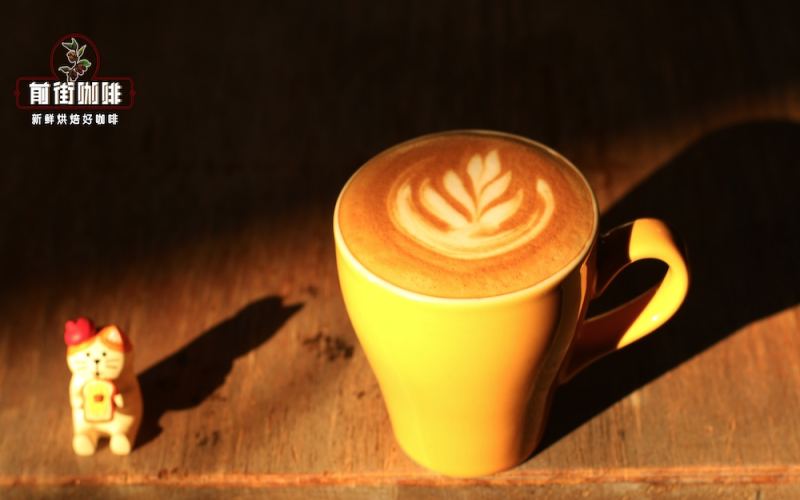
A Guide to Choosing Beans for Milk Coffee
Milk coffee, commonly known as milk-based coffee, includes lattes, cappuccinos, Flat Whites, Dirty, and so on. The common feature of these drinks is that espresso and milk are blended together. When choosing beans, you need to consider both the flavor of the espresso itself and how it performs when blended with milk. [more…]
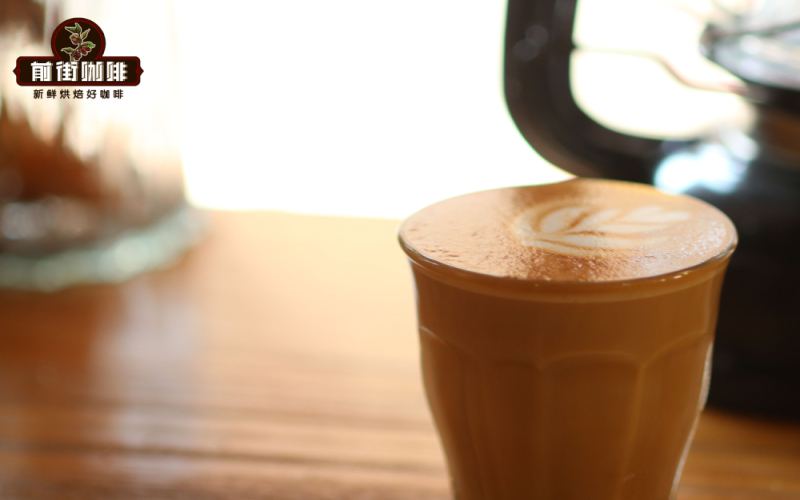
How to Choose a Portable Coffee Grinder? A Guide to Making Piccolo Lattes and Espresso Blend Bean Recommendations
To make a piccolo latte at home, besides needing a reliable grinder, choosing the right espresso beans is equally crucial. This article starts with the origins and recipe ratios of piccolo coffee, gradually breaks down espresso extraction parameters, the logic of pairing milk with coffee, and compares the differences between flat white, latte, and cappuccino. At the same time, focusing on beans such as Front Street classic blend, Queen's Estate Brazil, Colombian washed, and PWN Golden Mandheling, it explains how blended beans complement each other's strengths, helping coffee enthusiasts recreate at home a rich, smooth piccolo coffee with a pronounced liqueur chocolate flavor. [more…]
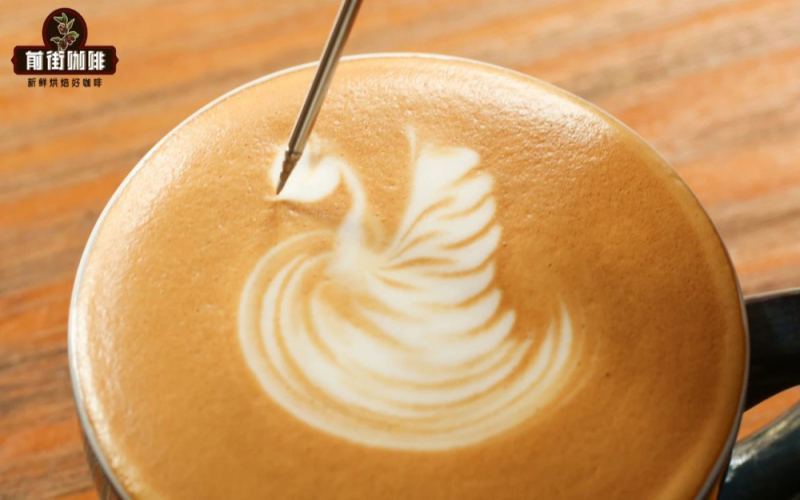
Which actually tastes better, SOE or blended beans? Explaining the definition of SOE, espresso bean choices, and price differences
When ordering at a coffee shop, more and more people find themselves torn: should they choose a regular blend or pay extra to upgrade to an SOE? Is SOE necessarily more premium and better tasting than a blend? Is it the same thing as single-origin beans for pour-over? Starting from the definitions, this article sorts out the real relationship between SOE and blended beans, analyzes the differences between the two in flavor, price, and commercial positioning, and introduces the characteristics and suitable scenarios of several Front Street Coffee espresso blends, helping you make a clearer judgment when ordering or buying. [more…]
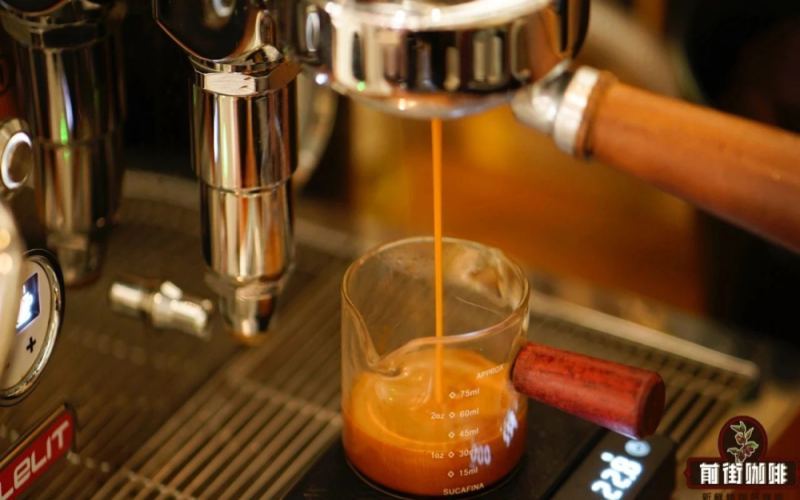
How Are Espresso Blends Different from Single-Origin Coffee Beans? A Complete Guide to the Basics for Beginners
Friends who are new to coffee often can't tell the difference between single-origin beans and espresso blends. This article systematically sorts out the core differences between these two types of coffee beans, from definitions and naming methods to flavor characteristics and practical application scenarios. Single-origin coffee emphasizes the regional flavor of a single origin, and is usually drunk without sugar or milk; blended coffee, on the other hand, pursues a balanced and rich taste by mixing multiple kinds of beans, and serves as the base for fancy coffee drinks. The article also introduces in detail the recipe concepts, flavor performance, and suitable scenarios of Front Street Coffee's five espresso blends, helping coffee lovers make the right choice according to their own needs. [more…]
Analysis of Concentration Differences Between Flat White and Latte: A Guide to Choosing Espresso Blend Beans
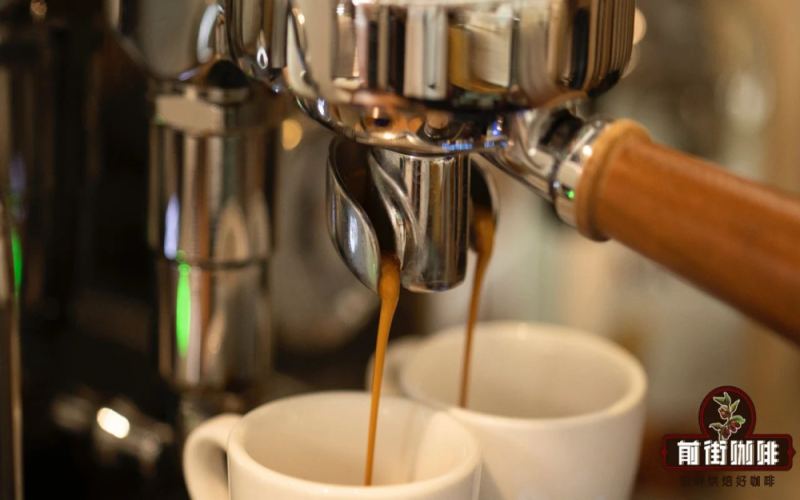
Which is actually more intense, a flat white or a latte? What differences do the two have in espresso base, milk foam thickness, and cup size? Starting from the serving standards of Front Street Coffee, this article compares the preparation parameters of flat whites and lattes in detail, and further explores what kind of blend beans are suitable for espresso. The article also introduces the flavor characteristics and formula ratios of four espresso beans from Front Street—Sunflower Warm Sun, Specialty Blend, Commercial Blend, and Dark Cocoa Blend—to help coffee lovers choose the right espresso beans according to their personal taste. [more…]
Recommended coffee blends: balancing budget and drinking frequency
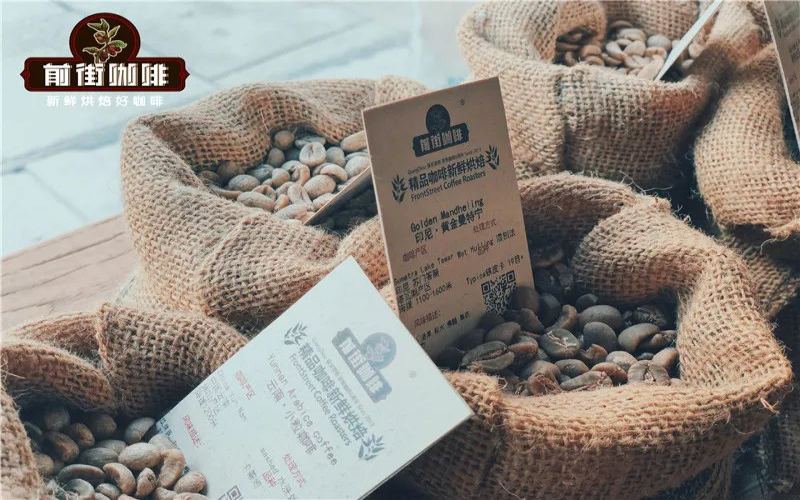
When it comes to blended coffee beans, start by looking at how you plan to drink it every day. For everyday bean purchases, you need to consider how quickly you'll go through them, how much to buy at once, and whether you'll mainly make black coffee or milk coffee at home. If you mainly drink black coffee, you can pay more attention to aroma and aftertaste; if you often add milk, then you need to consider whether the intensity and body can hold up, which will directly [more…]
A New Way to Make Iced Cappuccino: Mixed Frothing and Teacup Presentation, with Detailed Parameters for Easy Home Preparation
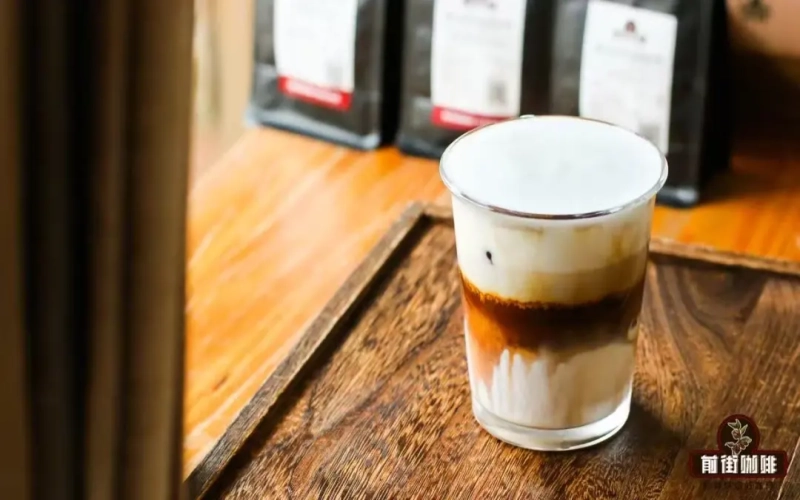
The milk foam of an iced cappuccino is usually whipped separately and not blended with the coffee, which leaves the foam itself rather tasteless and instead highlights the bitterness of the coffee. So someone tried mixing all the cappuccino ingredients together and whipping them as one, and the result was a milk foam full of coffee aroma with a unique flavor. A coffee shop in Beijing used exactly this mixed whipping method, paired with a lidded-bowl presentation, and quickly went viral online. Today Front Street is sharing how to make this unique iced cappuccino; the ingredients are for reference only and can be freely substituted. This time we're using Front Street's classic espresso blend, a medium-dark roast blended from three origins—Indonesia, Brazil, and Vietnam—with notes of chocolate, caramel, cream, and nuts, and a rich crema. All you need to make it is a French press: combine a double espresso, chilled fresh milk, and syrup, then whip. It's simple to do and perfect for trying at home. [more…]
What are the differences between single-origin, pour-over, and blended coffee, and how to choose: balancing budget and drinking frequency
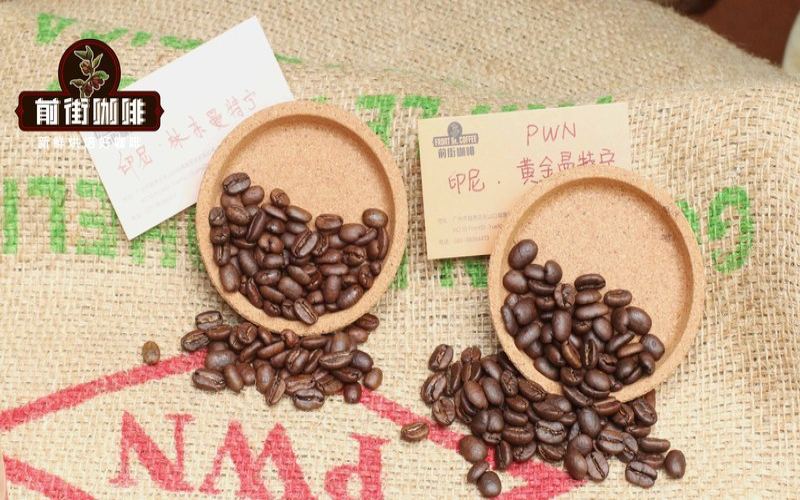
Single-origin and blended beans reveal different facets depending on the brewing method. When buying beans for daily use, you need to consider how quickly you'll drink them, how much to buy at once, and whether you mainly make black coffee or milk coffee at home. Pour-over easily brings out the aroma, espresso machines emphasize intensity, and moka pots amplify richness. When choosing beans, you should first determine which [more…]
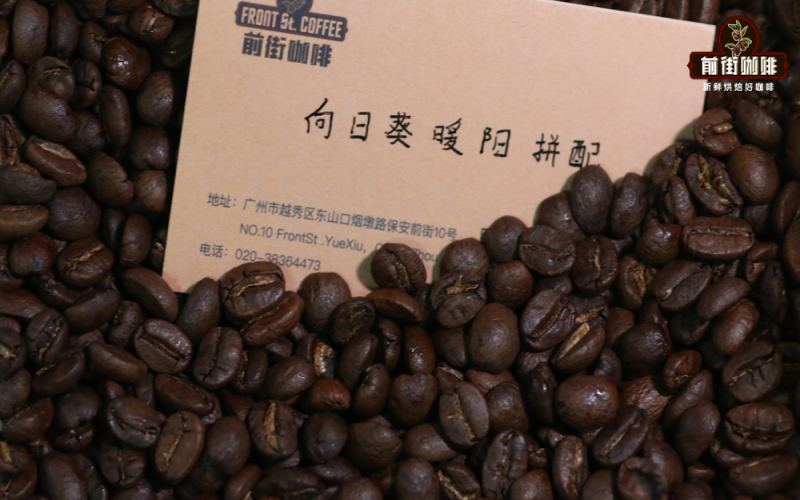
Yirgacheffe SOE | What is SOE coffee? Does SOE refer to single-origin beans? What are the differences in taste characteristics between SOE beans and blended coffee beans?
In recent years, SOE coffee has become especially popular. Basically, newly opened small community coffee shops will be equipped with more than two espresso grinders: one filled with traditional-flavor coffee beans (usually a blend), and the other loaded with SOE coffee beans. SOE is generally seen as an advanced version of traditional (blended) coffee beans, and requires an additional [more…]

Common Types of Italian Coffee | What Are the Classic Milk Coffee Recipes? What's the Difference Between a Latte, Macchiato, Cappuccino, and Dirty?
Espresso is a must-have beverage in every café. Many people's first impression of espresso is that it's unbearably bitter. In fact, espresso isn't limited to such bitter shots. If you want an espresso that isn't bitter and suits your taste, the first thing you need to understand is the different types of espresso. Front Street Cof [more…]

What are the flavor differences between SOE and blended coffee? An analysis of the taste of Yirgacheffe SOE americano and key preparation points
Customers who regularly come to Front Street for coffee always ask: Do you have beans to choose from for espresso? Can you make single-origin coffee? In fact, this points to an important concept behind it all—SOE (Single Origin Espresso). What exactly is the difference in flavor between SOE and blended coffee? Is Yirgacheffe SOE Americano actually good? Starting from Front Street Coffee's production experience, this article systematically sorts out the definition of SOE, its differences from blended beans, the flavor performance of Yirgacheffe SOE, and the roasting choices and extraction parameters to note when making SOE at home, helping coffee enthusiasts more clearly understand this form of espresso that has gradually become popular in China in recent years. [more…]
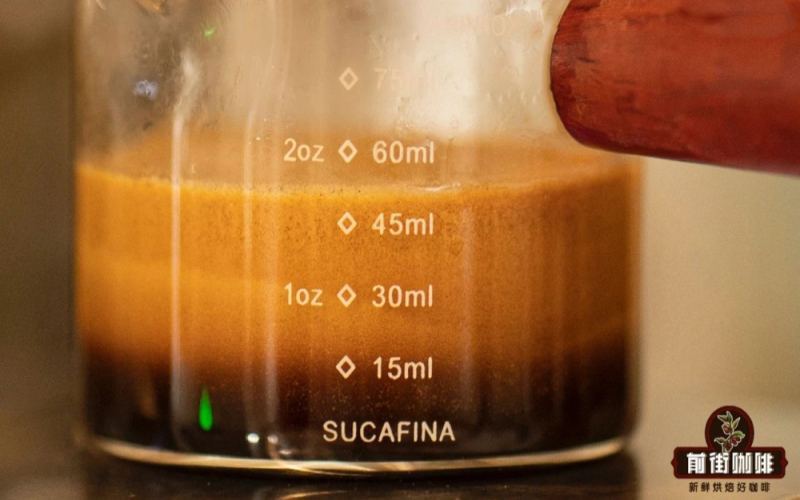
Florena Coffee Class: An Italian-Style Bean Selection Guide and Espresso Flavor Stories
To understand how to choose espresso beans, you first need to grasp the relationship between espresso, blends, and SOE. This article begins with the romantic naming of Starbucks Verona, then sorts out the respective pros and cons of single-origin espresso and blended beans, explains the difficulties SOE presents in bean selection and roasting, and why blended beans can deliver greater consistency. The article also draws on Front Street Coffee's own Sunflower Warm Sun blend to provide extraction parameters and flavor performance for iced lattes, helping coffee lovers find an espresso solution that suits them in their daily brewing. [more…]
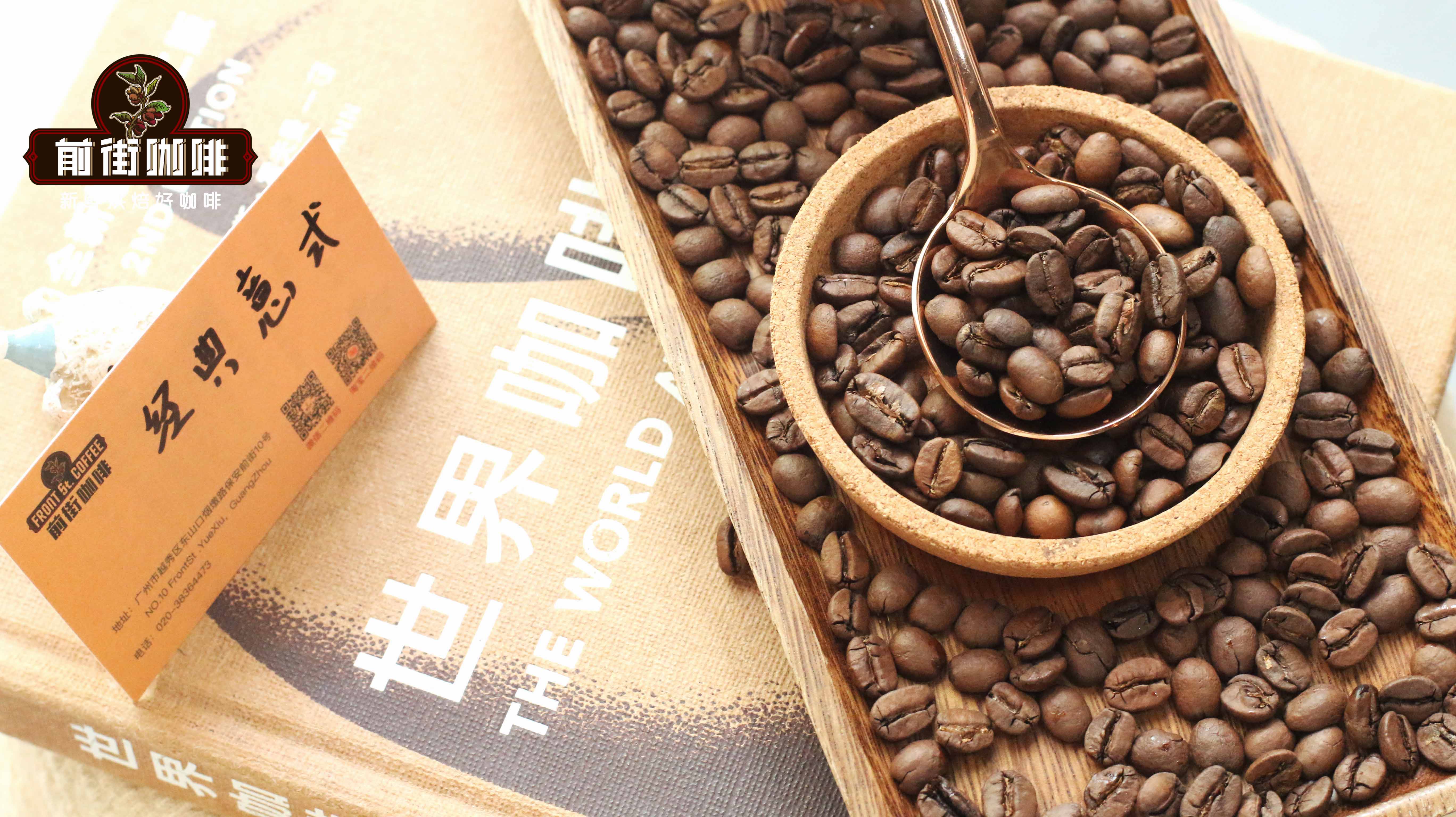
Blended Coffee Beans Drinking Guide | Which Coffee Beans Are Compatible with Espresso Machines and Moka Pots? Recommendations for Rich-Crema Espresso Beans for Milk-Based Espresso Drinks
Front Street Classic Espresso Blend is not only affordable, but also boasts a rich, sweet flavor with a smooth, warm finish. On the palate, it opens with intense dark chocolate, warm roasted nut aromas, and sweet caramel notes, with low acidity. Brewed as an Americano, it is smooth with a sweet aftertaste; made into a latte, it highlights even more the aromas of cocoa, cream, and toasted bread. [more…]
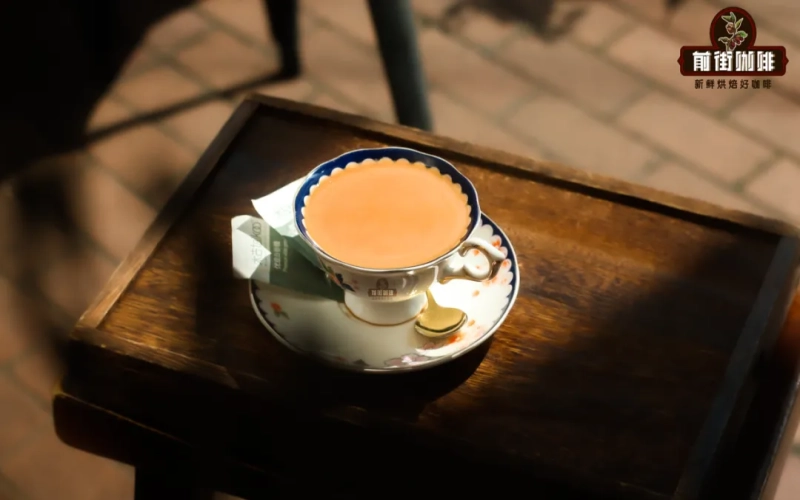
What exactly is Hong Kong-style Yuen Yeung milk tea? Does it contain coffee? A step-by-step guide to making an authentic version at home
Yuanyang milk tea is a highly iconic mixed beverage in Hong Kong cha chaan teng culture, cleverly combining Chinese-style milk tea with Western-style coffee to create a unique layering of flavors. Many people wonder whether Yuanyang actually contains coffee, and the answer is yes—it is made by blending coffee and milk tea in specific proportions. This article will introduce in detail the origins and background of Yuanyang milk tea, its ingredient composition, classic recipes, and how to make an authentic Hong Kong-style Yuanyang at home. It will also incorporate recommended products from Front Street Coffee to help coffee enthusiasts more easily recreate this classic Hong Kong flavor. [more…]
A Century of British Tea Merchants: Taylors Earl Grey Black Tea Flavor Analysis: Royal Warrants and a Complete Overview of Classic Series
With over 130 years of blending experience, Taylors of Harrogate is a highly prestigious British tea and coffee company headquartered in Yorkshire, northern England. Founder Charles Edward Taylor established the company in 1886, developing a blended black tea tailored to the local representative water quality, which became the famous Yorkshire tea. Taylors blends up to thirty kinds of black tea from Africa, Assam, and Ceylon, producing a rich, long-lasting brew suitable for making milk tea. The brand adheres to ethical trading and high quality, with products certified by the Rainforest Alliance and holding the Prince of Wales's Royal Warrant, and retail outlets in over thirty-five countries worldwide. This article will introduce in detail the flavor characteristics, recommended brewing methods, and ingredient origins of Taylors' Royal Earl Grey, Lemon & Orange, English Breakfast, Darjeeling, Earl Grey Green, Organic Chamomile, Organic Peppermint, and Yorkshire Tea, with a recommendation from Front Street Coffee at the end for tea lovers' reference. [more…]
What is the difference between pure tea and blended tea? A detailed explanation of tea's origins, spread, and blending methods
Tea is the world's most popular beverage after water. Whether black or green, with milk or plain, every type of tea offers a unique experience. All tea leaves come from the same tea plant, but differences in origin, altitude, climate, and production methods create teas with distinct flavors. This article begins with the botanical characteristics and origins of the tea plant, traces the spread of tea from a medicinal drink in southwestern China to its popularity across East Asia, Europe, and even India, and focuses on comparing the features, pros, and cons of 100% natural pure tea versus blended tea, finally including a simple blended tea recipe for coffee and tea enthusiasts to reference. [more…]

Milk Coffee Exclusive Beans | How Should Beginners Choose Milk and Espresso Beans for Making Milk Coffee? What Blended Coffee Beans Are Recommended for Latte Art Lattes?
A milk coffee is made up of nothing but espresso and milk, so choosing the right coffee beans and milk is crucial. Not only do different ingredients create differences in flavor, but different ratios also affect the final strength of the coffee. As for what milk is suitable for a latte, let's start with milk—it makes up at least three-quarters of a latte. [more…]
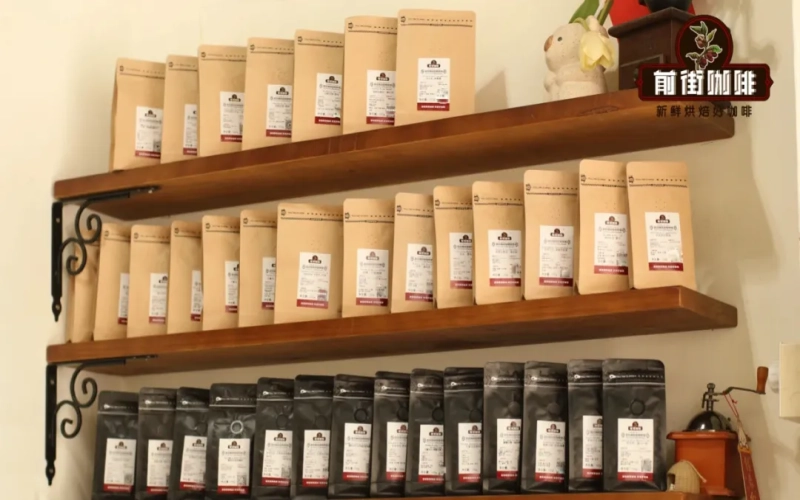
What is the difference between single-origin, SOE, and blended coffee beans? A comprehensive interpretation from roast level to suitable scenarios.
Many coffee lovers often find themselves confused by the concepts of single-origin, SOE, and blends when buying coffee beans, unsure how to choose based on their equipment and taste preferences. Starting from definitions, this article will clarify the essential differences among the three one by one: single-origin beans emphasize the complete expression of regional flavors and are suited to brewing methods such as pour-over; SOE is espresso made from single-origin beans, with specific requirements for roast level; blends achieve a balance of flavor and mouthfeel through combining multiple origins, and are the primary choice for Italian-style coffee. The article will also incorporate specific products from the Front Street Coffee brand to help you make clearer judgments when purchasing. [more…]